Reliable peptide quality influences far more than purchasing costs. Laboratory teams now evaluate documentation before approving any supplier. Small differences in synthesis or testing can change experimental outcomes. Careful sourcing protects research budgets and improves confidence during repeated studies. Scientists comparing where to buy peptides Canada often begin with analytical records rather than promotional claims.
Why Laboratories Demand Stronger Quality Evidence
Scientific work depends on materials producing dependable experimental responses. Poorly verified peptides introduce uncertainty long before results reach publication. A missing purity report, for example, can raise avoidable questions during data analysis.
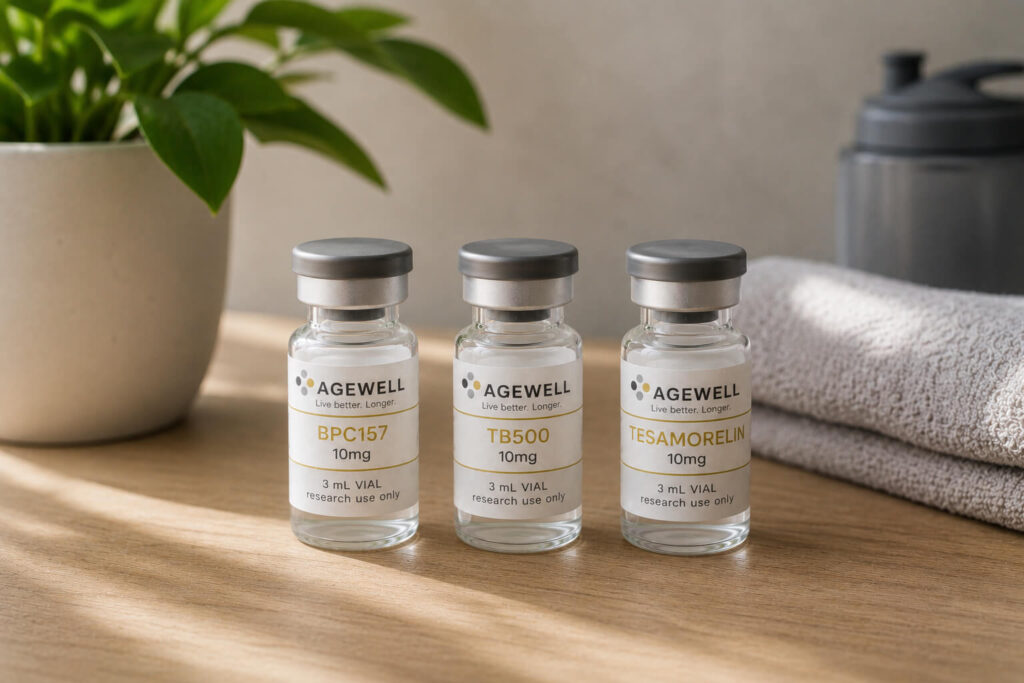
Research groups often examine:
- Batch-specific analytical certificates.
- Verified molecular identity reports.
- Purity confirmed through validated testing.
- Stable storage recommendations.
- Reliable shipping conditions.
Each document offers valuable reassurance before laboratory funds receive approval.
Documentation Shapes Purchasing Confidence
Price rarely settles procurement decisions anymore. Purchasing managers compare manufacturing records before reviewing quotations. Clear analytical evidence reduces unnecessary repeat orders while protecting valuable project timelines. Even experienced laboratories appreciate suppliers providing complete documentation because verification becomes faster across different research programs.
One supplier may advertise excellent products. Another supplier proves every production batch through detailed analytical reports. That difference influences purchasing confidence far more than attractive marketing language.
Could One Batch Affect Research Outcomes?
Absolutely, because identical peptide sequences never guarantee identical experimental performance. Trace impurities sometimes influence receptor binding or biological activity during sensitive investigations. Scientists studying weight loss pathways value consistent batches because reproducible findings strengthen long-term experimental credibility.
Consider an academic laboratory validating metabolic responses across multiple testing cycles. Matching analytical profiles reduce unexpected variables before biological measurements begin. Reliable consistency protects valuable research time while strengthening confidence during result interpretation.
Choosing Suppliers Beyond Product Catalogues
Strong suppliers demonstrate quality through measurable evidence instead of broad promises. Procurement teams often compare several operational factors before establishing long-term purchasing relationships.
Key evaluation points include:
- Manufacturing transparency builds confidence.
- Analytical testing confirms identity.
- Storage guidance protects stability.
- Responsive technical communication matters.
- Consistent batches reduce variability.
- Secure packaging preserves integrity.
Each factor contributes directly toward dependable laboratory performance rather than simple purchasing convenience.
Research Standards Continue Raising Expectations
Scientific institutions now expect suppliers to meet higher technical standards from initial production onward. Better analytical verification reduces uncertainty before experiments even begin. Procurement strategies therefore reward manufacturers investing in quality control instead of promotional messaging. Strong documentation creates trust because experimental evidence begins with dependable starting materials.
Reliable Standards Shape Future Research
Laboratory purchasing reflects scientific discipline rather than procurement habit. Teams choosing suppliers through verified purity reports, batch consistency, and analytical confirmation strengthen every experiment following delivery. Those early purchasing decisions influence reproducibility long before researchers examine their first dataset, making quality documentation one of the most valuable research assets available.
FAQs
Why does peptide purity receive so much attention?
Higher purity lowers unwanted variables during experiments. Cleaner materials improve confidence when researchers compare results across repeated testing cycles.
Which documents deserve priority before purchasing?
Certificates of analysis, purity reports, molecular identity confirmation, and batch-specific testing records provide meaningful evidence before procurement approval.
Does lower pricing always provide better value?
Not necessarily. Incomplete documentation may increase repeat experiments, creating higher overall research costs despite lower initial purchasing prices.