emergency dentistry in Vancouver

How to Replace knocked-out Teeth?

Your permanent teeth can be knocked out due to several reasons like a blow to your mouth, a car accident involving your face, playing contact sports, or falling out while riding bikes. Knocked-out teeth are considered a severe dental emergency condition requiring urgent treatments. Based on a dedicated dentist at emergency dentistry in Vancouver, no matter what the emergency dental issue is, any of them can disturb your life and interfere with your daily routines; you should not neglect them at all. Re-implanting knocked-out teeth are available if you take the correct reactions in the initial moments. The following article answers patients’ common questions when they experience knocked-out teeth.

Common Questions When a Tooth Is Knocked-out

What Can I do to Stop Bleeding? Generally, knocked-out teeth are associated with intense bleeding and pain. Please don’t panic. Get a handkerchief, place it over the injured site, and bite it down firmly. Take some over-the-counter medications to relieve your pain but keep in mind to avoid taking aspirin because it can increase your bleeding.

Can Professional Dentists Replace My Knocked-out Teeth? Of course YES, if you visit your emergency dentist as soon as possible, ideally within the first 30 minutes. In some cases, professional emergency dentists can successfully re-insert knocked-out teeth on their sockets up to 60 minutes after injury.

What Should I Do with My Knocked-out Tooth? You should rinse your tooth with milk or tap water but be careful not to touch the root. Next, please get to the emergency dentist as soon as possible.

What Should I Do If I Have Got Some Piece of Injured Tooth? In such cases, an x-ray is required to determine if there’s any root damage, so you should contact your emergency dental team as soon as possible.

What Are Different Services Offered by My Emergency Dentists to Restore Knocked-out Teeth? Professional emergency dentists will assess you and treat all types of facial injuries. If you visit the emergency dentist immediately, they will re-implant it successfully. Next, they will take an x-ray to determine if your tooth has been re-implanted successfully. Several check-ups are required for follow-up treatments.

Is Any Other Treatment Needed? Generally, no other treatment is needed if your tooth has been re-implanted successfully. But it should be noted that if your re-implant surgery fails, you can opt for several other cosmetic dental solutions to effectively replace your missing teeth. Dentures, dental bridges, and dental implants are various exceptional methods to help you eliminate the negative consequences of missing teeth. Although each option has specific benefits, experienced and dedicated dentists highly recommend that patients replace their missing teeth with dental implants. Dental implants will be inserted into your jawbone through a surgical process, and they can provide the most natural-looking with high durability.

What Can I Do to Avoid Getting a Tooth Knocked out? Although several unexpected events can lead to knocked-out teeth, following some simple instructions can lower the risk of experiencing this severe dental issue. For example, wearing a mouth guard is highly recommended to those interested in playing contact sports because it can protect athletes against a blow to their mouth.

Toothache

What Do You Know About a Toothache?

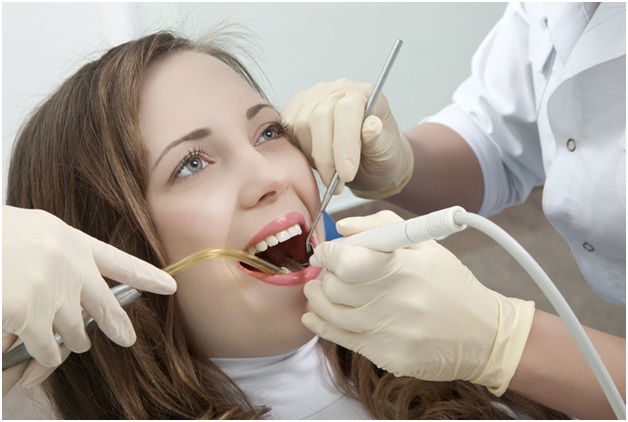
Dental emergencies can bother us when we do not expect them at all. There are various dental emergencies, and when it comes to emergency cases, the best way is to ask a professional to help us. As a sophisticated dentist at a same-day emergency dental clinic in Vancouver explains, when you face a severe toothache, continuous bleeding, or a broken or chipped tooth, you must run to the emergency dental clinic. In general, a toothache is a protective mechanism that varies from mild to severe pain and alerts the body to the problem. When you feel a toothache, it is actually the reaction of the nerve terminals inside the pulp of the tooth. In general, any toothache is an emergency dental problem and should be treated as soon as possible. But there are cases that are more important than others. Here are some more important common toothaches considered emergency ones.

Toothache

 Sensitivity to Hot and Cold Foods and Drinks

 If this discomfort persists only a few moments after the cold and heat and sweetness, it indicates that the problem is still in its early stages. It may be due to reasons such as minor tooth decay, a problem with the repaired tooth, or even an exposed root. If the allergy is due to the open surface of the root, it is best to gently clean the edges of the gums with a soft toothbrush. It is best to use anti-allergic toothpaste made for sensitive teeth. Horizontal brushing causes more gum wear. You can even apply anti-allergic toothpaste to the surface of sensitive roots. If the allergy persists, an emergency visit to the dentist is essential.

Primary caries or a repair that has become loose at the site is determined by a dental examination and necessary X-ray. So it is better to see your emergency dentist in the early stages to solve your problem with easier treatment. Besides, in this case, the cost of treatment is lower.

 Sensitivity after Dental Treatment

Dentistry can cause allergies afterward because it causes temporary inflammation of the tooth pulp. Especially after deep restorations that are close to the pulp (tooth nerve) or after root canal treatment. What should be done to relieve this type of toothache? This allergy should not last more than a few days and can be controlled with regular painkillers. But if the pain persists and does not get better, do not hesitate to contact your dentist.

Severe Pain When Eating

When you feel constant pain when chewing something, it indicates a hole in your mouth. Depending on how severe the pain you feel, the cavity may be in its early stages or have reached the tooth’s main structure. It should be noted that when a cavity is ignored, you may even lose your tooth.

Severe Spontaneous Pain

This type of toothache can be caused by inflammation or infection of the tissues and bones around the tooth. This is, without a doubt, a dental emergency. There is a need for emergency treatment by an endodontist, but before that, you can use medication to control the pain. However, it should be emphasized that the medication is only to help you feel relaxed and see a dentist. This does not mean ignoring treatment.

There are some natural remedies to reduce dental pain. It is undeniable that they can be helpful, but the point to consider is that these are just to reduce the pain, not to treat them. In other words, the only one who can control and treat your toothache (from minor to severe) is an emergency dentist.

Why Cosmetic Dentistry is more than a Beauty Procedure

While the purpose of most patients is to improve their appearance by using cosmetic dentistry services, there are also more essential benefits to gain. Cosmetic dentistry is one of the most common careers that help people enhance their looks and become more beautiful and confident. Different kinds of cosmetic dental problems can force people to make an appointment with their cosmetic dentist as soon as possible. According to a cosmetic dentistry in Toronto, around %40 of patients getting cosmetic dental procedures look and feel younger after the treatment. Cosmetic dentists focus on your teething shape and health to choose the best improving way to treat your problem. If you have a superficial look at cosmetic dentistry, it’s highly recommended to read this article up to the end. We list the vital reasons that powerfully explain cosmetic dentistry’s importance for those with adequate information.

Investing in your teeth: a suitable cosmetic dentist can assure your teeth’ health and beauty for a great time if you keep decent oral hygiene. Cosmetic dentistry allows you to save your money for an extended period by keeping you away from different kinds of dental emergencies. 

Advanced oral hygiene

Shiny teeth: it doesn’t matter that your cosmetic dentist whitens your teeth or did not; almost in every dental cosmetic, procedure your teeth will be brighter and shinier. In fact, you mark with a double arrow! Your cosmetic dental issue will be treated, and you will enjoy your white teeth. 

Eating better: many cosmetic dental problems can disturb your eating process. A crooked, chipped, or knocked-out tooth causes significant troubles in your regular eating and drinking, resulting in indigestion disorders. Your cosmetic dentistry observes all these problems and recommends the most suitable treatment. You will experience better eating by restoring the health of your teeth. 

Advanced oral hygiene: cosmetic dental difficulties can make your situation hard to clean your teeth. Crooked, chipped, and other dental traumas don’t let your toothbrush clean some specific areas, and it can lead to severe dental emergencies. A correct dental cosmetic procedure helps you to get rid of these difficulties and have acceptable oral cleanliness. 

Improving self-confidence: one of the most important features that can affect others is your smile. A delightful smile can significantly impact people and makes your community and personal relationships better. Your cosmetic dentist will help you have a shiny smile by using various dental cosmetic processes. 

Enhancing general health: as valid research shows, healthy teeth also possess excellent general health. As we mentioned, the nonstandard shape of your tooth can lead to other dental or even general problems which need immediate check-up by your cosmetic dentist. Also, self-confidence and satisfaction with your apparent directly affect your body health and improve it. 

Nevertheless, suppose you make any decision to have a dental cosmetic procedure and have a charming smile. In that state, you must visit an expert cosmetic dentist at the first level to give scientific advice and recommendations.

Tips About Oral Surgery

Any procedure that involves cutting or removing tissue from your mouth is called oral surgery. These procedures include tooth extraction, gingival surgery, and dental implants. Oral surgery also involves removing diseased tissue from the mouth, correcting jaw problems, or repairing cleft lip or palate. But if you are going to have oral surgery, there are some tips you should be aware of. In this regard, an experienced expert at a North York oral surgery center explains to us the important points about oral surgery.

Before Starting Your Oral Surgery

Set an appointment with your oral surgeon to make sure you understand the reasons for your operation. Find out the risks and rewards of oral surgery. Prepare all your questions to ask.

If you are going to be injected with a sedative, you need someone to take you home. Anesthesia can interfere with your consciousness, so driving is not safe for you. Ask someone to ride you. If there is no one to help, you can take a cab.

Do not eat or drink anything, including water, after midnight before surgery. This reduces the risk of aspiration, a rare but serious complication of anesthesia that fills the lungs with stomach contents. If you need to take medicine during fasting, you can drink a small sip of water if needed.

Dress appropriately. Wear short-sleeved, comfortable and loose-fitting clothing. Do not use jewelry because you may be asked to remove it before taking any action. Avoid contact lenses as general anesthesia may keep your eyes closed for a long time. Do not use makeup or lipstick. Respectfully avoid any perfume or body spray. If your hair is voluminous, you may want to tie it up or pin it back.

You should not use tobacco products for at least twelve hours before surgery and at least one day after treatment.

After Your Oral Surgery

 First of all, after surgery, a certain amount of bleeding is expected. Bleeding, discharge, or redness of saliva is uncommon. Excessive bleeding may be controlled by rinsing or clearing old clots in the mouth, then apply a gauze bandage to the area and bite firmly for another 60 minutes. Repeat if necessary. If bleeding continues, bite into a wet tea bag for 30 minutes. To minimize further bleeding, do not get excited, sit up straight, and avoid exercise. If the bleeding does not go away, call for further help.

For severe pain, take the prescribed pills. Prescribed painkillers make you drowsy and slow down your reflexes. Avoid alcoholic beverages. The pain or discomfort after surgery should be reduced more and more every day. Pain killers such as Advil, Motrin, or Ibuprofen can be taken between pain pills. Please do not smoke. Smoking significantly increases pain after surgery. After 48 hours, apply a warming pad to reduce swelling and pain.

Do not use a straw. Drink from a glass. Sucking by removing a blood clot can cause more bleeding. By chewing away from surgical sites, you can eat anything soft. High calorie and protein intake are very important. Feeding should be done regularly. You need to prevent dehydration by consuming fluids regularly. Your food intake will be limited for the first few days. You need to compensate for this by increasing your fluid intake.

What Are the Most Significant Reasons for an Emergency Toothache?

Toothache or dental pain occurs when a nerve is stimulated in or around your tooth root. Dental infections, tooth decay, damage, or tooth loss are common causes of toothache. Dental pain also appears after tooth extraction. The pain sometimes originates from other organs of your body and reaches the jaw, causing pain in the teeth. An emergency dentist in Oakville notes that time is of the essence when it comes to dental emergencies. It means you should never let emergency dental cases go untreated as they worsen and lead to permanent problems.

 The most common areas that cause pain include the temporomandibular joint, earache, sinuses, and in some cases, even heart problems. Bacteria in the mouth can also cause gum disease and tooth decay. Both of these factors can lead to a toothache. In most cases, however, gum disease does not cause pain. Flossing, brushing, and using mouthwash, as well as being examined by a dentist twice a year, can easily prevent a large group of dental emergencies. Emergency dentists use sealants and fluoride, which are especially important for children’s dental health.

What causes toothache?

 Toothache has different causes, but the most common ones are:

 Toothache is caused by inflammation of the tooth pulp or central tissue of your tooth. It contains nerve endings that are very sensitive to pain. Inflammation of one or more pulps may be the result of tooth decay, trauma, or infection. The pain in your jaw bone may also cause toothache symptoms.

 Therefore, tooth decay is the most common cause of toothache. If a decayed tooth is not treated, an abscess develops. A dental abscess is typically an infection near the tooth or the pulp inside the tooth. Visit your emergency dentist as soon as possible if a dental abscess is developing in your teeth. In rare cases, the infection reaches the brain, and it can be really dangerous.

 A toothache may occur when a tooth, usually a wisdom tooth, gets stuck in the gum tissue or bone. In this case, the emergency dentist extracts the impacted tooth through a surgical procedure.

  Other rare reason for tooth pain

 Heart disease and lung cancer may also cause toothache. In some cases, a toothache is a warning sign of a heart attack.

 Signs and symptoms of a toothache

 The pain in the jaw and teeth are usually felt together. This type of pain may be severe and stimulated by cold and heat. If you have a toothache in the following conditions, you should contact your emergency dentist as soon as possible:

 _ pain that persists for several days

 _Severe pain two or three days after tooth extraction

 _Sometimes, the pain is accompanied by swelling of the gums and face. On the other hand, fever is one of the most critical signs of infection in oral diseases. These symptoms are early a sign of infection around the teeth, gums, or jawbone. Fever and swelling of the face are also signs of a dental abscess.

 _If the tooth is broken or dislocated due to severe injury or trauma, the dentist should treat it as soon as possible. Swollen teeth and permanent tooth loss are known as emergency events.

What is endodontic treatment?

Endodontics is a treatment to repair or protect infected teeth from severe damage by an emergency dentist. Endodonticsmeans removing the damaged part of the tooth (pulp), cleaning and disinfecting the tooth, and then filling and gluing it (tightly). Common causes of tooth pulp infection are cracking, deep cavities, repetitive treatments on the tooth, or injury. The term endodontics means cleaning the roots around the tooth. Specialists in a Toronto emergency dental office believe that endodontics must be performed immediately after diagnosis to save the tooth from being lost.

What does the dentist do during endodontics?

Talk to your emergency dentist about having an endodontic treatment. There are several steps to diagnose it that are identified during the visits.

X-Ray:

If your emergency dentist suspects that you need endodontic therapy, they will first use X-rays to find caries’ location.

Anesthesia:

Local anesthesia is for damaged teeth. Contrary to popular belief, endodontic does not hurt more than filling a tooth.

Pulpectomy:

In a pulpectomy, a hole is made in the tooth, and the pulp is removed.

Filling:

Despite what you have heard or read online, the endodontic process does not cause much pain. Instead, the goal of this procedure is to save a heavily contaminated tooth. Emergency dentists remove bacteria and dead tissue from inside teeth. Modern techniques and technology help make relatively comfortable treatments that do not require more than one or two visits to the emergency dentist or endodontist.

When is the endodontic needed?

It is recommended or necessary to have the root canal treatment when there is an infection in the tooth. The pulp can be infected with bacteria due to a severe injury or the presence of an untreated cavity. The toothless cavity can become infected too much that it must be removed. If your emergency dentist recommends treatment, there are step-by-step instructions that you should use during and after treatment.

How is an endodontic method done?

Endodontics or the root canal is a 4-step process. Treatment usually lasts more than two sessions. The emergency dentist injects an anesthetic into the tooth to numb it. You feel a tingling sensation when the needle enters the tooth. After the tooth is anesthetized, the endodontist may create a blockage.

A small piece of plastic separates the tooth to keep it clean and dry during the treatment. The emergency dentist uses a very small tool, such as a small drill, to access the tooth inside by making a hole in the top.

The emergency dentist uses small files to stay away from damage and disease inside the tooth and uses files to shape the teeth and roots’ inner chamber. Then he rinses the chamber with water to wash away the remaining pulp.

The emergency dentist may also use an antimicrobial solution to kill bacteria left in the chamber and reduce the risk of further (additional) infections. Once the chamber is completely clean and dry, its inside will be filled in.

The emergency dentist temporarily fills your teeth while you are waiting for a permanent crown filling. The emergency dentist will finish the treatment by placing a permanent crown after a few weeks.

Paediatric Dentist Singapore

Reasons For Tooth Implant Singapore

It is known to be an important surgical component that interfaces with the bone of the skull or the jaw to support a dental prosthesis such as the bridge, crown, or facial prosthesis. The tooth implant singapore have somewhat revolutionized the replacement of the teeth as they are readily available for the replacement which gives it a better look and it functions naturally as the original one. The implants for these are known to be titanium cylinders which are placed surgically into the jawbone which has the missing tooth. After being placed they allow the dentist for the process of replacement.

How does the tooth implant work?

The people who go through this problem of the missing teeth, for them the tooth implant is the best option to go for. The tooth implant provides a more natural look as compared to the dentures as they are the artificial teeth that are directly placed to the jawbone. The person using the tooth implant should be in good health and should have a fully developed jawbone along with the healthy gums to support the implants. Generally, they are surgically placed in the jawbone where they play the role of the roots of the missing tooth.

Placing a single implant may require approx thirty minutes while on the other hand, a complex surgery takes up a little longer. After the placement, the patient needs to allow the implant for some time to heal better and fuse with the jawbone.

Paediatric Dentist Singapore

Types of tooth implants

From the ancient times there have been two kinds or types of the tooth implant as follows:

  • Endosteal is a kind which refers to the kind of implant that is situated in the bone whereas,
  • Subperiosteal is the other kind that refers to the one that rests on the top of the jawbone beneath the gum tissue. Although these kinds of implants are no longer in the use because of the reason for their poor long term results that they give as compared to the endosteal implants.

Though one of the primary or the major functions of the tooth implant is the replacement still there are few categories in which they can serve the other purposes also related to the dental procedures. The tooth implant singapore can be used to support the removable denture to provide a more secure and comfortable kind of fit. One of the most general problems with this is that people feel discomfort, not pain, therefore this whole procedure of the dental implant is a complex one to go through.

Hence, one going through the problem of the tooth implant or looking for a teeth replacement should be referring to the tooth implant procedures and the types of implant he or she desires as mentioned above.

What to Expect During Wisdom Teeth Extraction

Does your dentist recommend wisdom teeth extraction? Don’t panic! You are not the one who is going to pull out a wisdom tooth. Millions of Australians extract their wisdom teeth every year. In fact, Wisdom Teeth removal Melbourne is a common procedure in dentistry. No one wants to undergo surgery. It is the anticipation that prevents patients from getting the dental care they need. But, the growth of wisdom teeth is inevitable, and they won’t give you bouts of wisdom. Instead, wisdom teeth create a lot of dental problems.

Why are wisdom teeth problematic?

Not everyone develops all four wisdom teeth. Some may get all four, while others get one or won’t get at all. Since dental do not have enough space on the jawline, they get trapped under the gum. This condition is called impaction. An impacted wisdom tooth can cause a lot of dental issues, including tooth decay, gum infection, teeth shifting, and cyst. This is why it is essential to remove your wisdom teeth. Whether you are worried about the wisdom teeth removal cost Melbourne or surgery, the worst thing a patient can do is ignore them.

Here is what you can expect during wisdom teeth extraction:-

Anaesthesia                                                                                                  

You’ll be administered anaesthesia before having your wisdom teeth removed to numb the tooth and its surrounding area. If you are too anxious about the procedure, you can ask the dentist to give you sedation, including oral sedation, IV sedation, nitrous oxide, and general anaesthesia to help you relax. However, general sedation is rarely needed for a wisdom tooth extraction. Be aware that the anesthesia you choose significantly influences the wisdom teeth removal cost Melbourne.

Removal of cheap wisdom teeth removal Melbourne

A small incision will be made in the gum to access the tooth if it hasn’t come through the gums. A small piece of bones that are covering the tooth will also be removed. The tooth will be cut into pieces to make the process easier to extract them through the opening. If the tooth has erupted through the gum, it is less likely to make an incision. You won’t experience any pain during the procedure, but you’ll feel the pressure when the tooth is pulled out. The time taken to extract the tooth will vary from one patient to another based on the complexity of the case. While simple extraction can take a few minutes, complex procedures can take longer than 20 minutes, especially if the wisdom teeth horizontally impacted. Once the tooth is pulled out, the dentist will clean the area and stitch it if needed.

After surgery

After the surgery, you may experience blood and swelling. But, it is quite common, and it will go off. The dentist will place the gauze over the extraction site and ask you to bite firmly to control the bleeding. Besides, this allows the formation of a blood clot, which aids in healing process. So, try not to dislodge them. Stick to soft drinks and foods on the day of surgery. Don’t forget to take antibiotics and painkillers. You’ll be back to routine in a couple of days.

Prevention Is Always Better Than Cure

Our health is a vital part of our life. It is one of the factors that predict the span of our existence. Once we do not take care of our health, we are more prone to different diseases and health problems. It is why it is important to take care of our bodies to stay healthy. When we take care of it, we need to consider the overall part of our bodies, including our oral health.

Most people nowadays tend to forget to take care of their oral health. It is because they are ignoring the importance of it and its essential role. We need to create awareness for ourselves to be reminded that oral health is necessary for our life. We must know the proper way to take care of it.

  • Brush the teeth at least twice a day

– It is a common practice already for most people to brush their teeth twice a day. Some brushed their teeth three times a day while some do it after each meal, and there are no problems with that. This act of brushing our teeth is very important to prevent any gum disease and prevent tooth decay.

  • Floss the teeth every day

– This act is not typical for most people. It is because we cannot see the excess food particles that are hidden in between our teeth. This is why we brush our teeth. But when we floss our teeth, it can help us to prevent tooth decay and reduce any gum disease also.

  • Have a regular dental check-up

– In taking care of our oral health, one of the important things to consider is having a regular check-up with a dentist. By doing this, you will know immediately if you have dental problems already, such as a toothache or bleeding gums. In this way, we can diagnose and treat it quickly. Also, it is the best way to prevent any such oral diseases.

The Thomson Dental Clinic is a Singaporean dental clinic that we can depend on for the prevention, diagnosis, and treatment of any oral diseases. It is a multi-specialty dental clinic that is providing the best for our oral health. They have a website that everyone can visit and check. It is a helpful way for the patients to know the services that they do. Also, they emphasize why it is the best option for people who have oral concerns, and these are:

  • Professional team of Dentists
  • Affordable
  • Accessible
  • Same-day Appointment
  • Sterilization Technology
  • Caring and Helpful Team
  • Strict Quality Control
  • Ecologically Friendly Equipment

If we are deciding to start taking of our oral health properly, we are in the right hands through this clinic. As they have a great team, there is an assurance that we will receive the best service that we deserve.

When is the right time to consult an orthodontist?

It is obvious that most of the people consult an orthodontist at least once in their life time. It is because a person may have unaligned or other teeth issues from birth or developed as a result of bad oral habits. So there are several reasons to visit an orthodontist starting from misalignment till tooth loss. But it is much important to choose a good orthodontist who can solve your problem permanently. If you are in Madrid looking for a good orthodontist to solve your teeth misalignment then invisalign Madrid can help you with their best quality treatments.

Let us look at some real life situations when you should immediately consult an orthodontist without any delay. They are as follows,

invisalign Madrid

  • If you are a middle aged person with some misaligned teeth or experiencing pain during chewing of food or problems in mouth during breathing or if you notice any changes in the position of jaw bones and some other problems relating to mouth, it’s the right time to get treatment for your oral issues.
  • The misalignment of teeth may cause some imbalance in facial muscles which will look odd on face. So it is good to have consultation or treatment in this situation.
  • If you have a child below the age of 7, then it is the right age to have an orthodontist check up. In case if there is a problem with alignment of teeth or any changes in position of jaw bone, it will be easier to correct it at the earlier age when the child is at his natural growth process.
  • It is must to choose a right orthodontist who has more experience in finding out the difference between a dental problem and a normal deviated growth. Only after finding what the real problem is, he can obviously provide a right treatment for your children. If you are in Madrid and looking out for an experienced orthodontist to avail best treatment for misalignment of teeth and check up then invisalign Madrid may really help you.
  • Finally if you are an adult looking out for some relief from orthodontic problems such as misalignment of teeth causing pain, tooth decay, tooth loss, gum diseases or jaw bone misplaced there is a solution for all these. Some popular clinics provide free first consultation and you can have an oral check up for any underlying problems that may cause issues in future. There are invisible braces available for teeth misalignment which is barely visible when you smile. These modern technologies and inventions in orthodontics field helps you to keep up your same image within yourself and also professionally.